

Stories & Perspectives
Mutual Aid: 'Learning How to Need One Another Again'
By Wendy Harris
Project Coordinator @ The Connection
What is mutual aid?
A dozen community members gathered Feb. 23 in the Community Living Room at Ebb and Flow Connections Cooperative to explore that question. The conversation grew out of our community’s broader work to improve social connection, where a consistent theme has surfaced: a deep desire to help one another in ways that feel more direct, more relational, and less transactional.
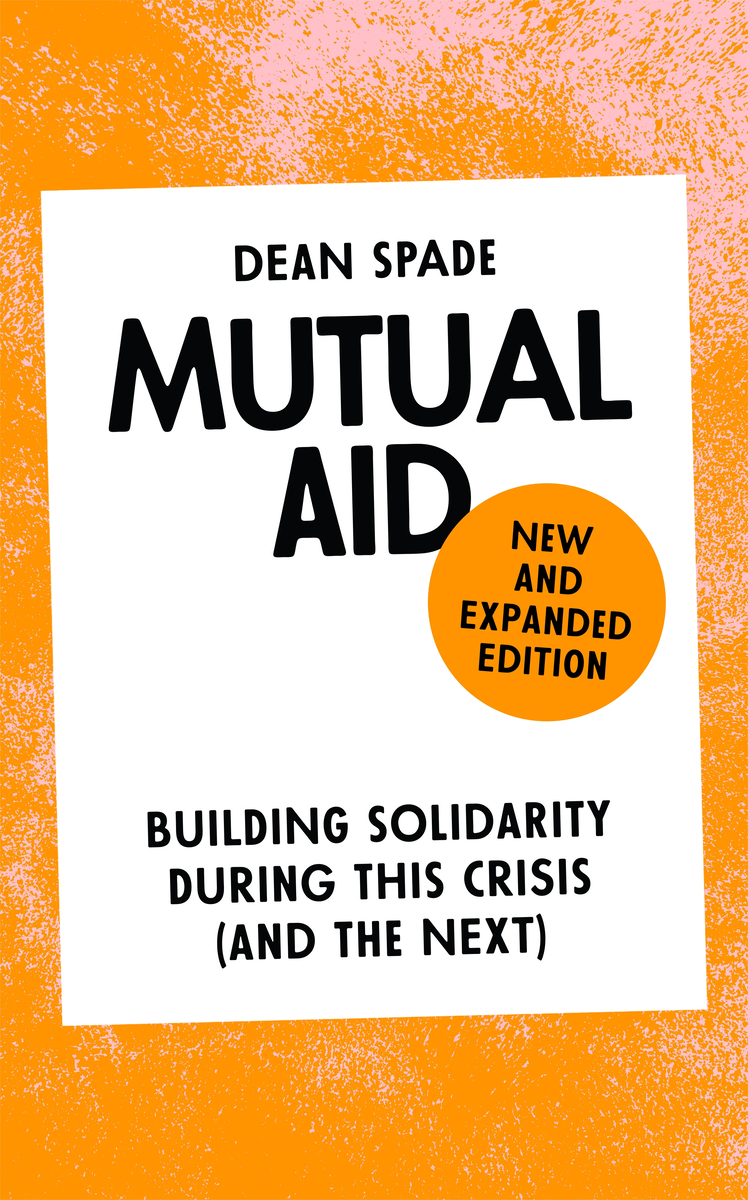
by Dean Spade
The gathering marked the first convening of the “Mutual Aid Meet Up,” co-facilitated by Karen Iverson-Riggers and Lynn McLaughlin, co-creators of Ebb and Flow. It’s not a task force or formal work group, at least not yet. For now, the goal is to bring together people already engaged in mutual aid, or curious to get involved, to share what already exists and explore what could emerge.
In the Fox Valley, and across the country, mutual aid efforts are growing as neighbors mobilize to support those who are struggling, whether they cannot afford groceries, do not feel safe leaving their homes, or need help meeting other basic needs. The urgency to show up for one another has been fueled by the volatility of our current social, political, and economic climate. Funding for social safety nets is being reduced. Grocery and healthcare costs continue to rise. Immigrant families are living with uncertainty and fear. Organizations are strained as they work to fill widening gaps.
For some, the impacts have been immediate and personal. For others, the stress shows up more quietly, as a growing sense of instability or concern for neighbors who may be struggling. In response, people are turning toward one another, transforming fear into action and reclaiming hope.
So how is mutual aid different from traditional forms of charity?
“Charity assumes that we know how to fix it and we are going to tell you how to fix it,” explained Karen. “Mutual aid recognizes that you know your own needs best. It asks ‘what do you need.’”
Participants described mutual aid as people supporting one another without hierarchy or conditions. Support is shaped by listening rather than assumptions. A response to real needs, not eligibility requirements. Mutual aid, another participant noted, feels different because “everyone’s truly working together. You’re looking for the catch, what’s the catch, right?”
There isn’t one. Instead, mutual aid begins with a shared understanding that everyone has something to give and something to receive.
“Mutual aid brings humanness back to the world, by treating all people with dignity and respect,” added Lynn. “There’s a saying that keeps coming into my head. ‘“We need to make it OK to need one another again.’”
Seeing What Already Exists
 Mutual aid is already happening all around us, often in simple, everyday ways: neighbors bringing meals to one another, shoveling sidewalks after a snowstorm, or checking in on someone who may need a hand. In recent years, neighborhood networks have been growing intentionally in the Fox Valley, supported by efforts from Julie Filapek, who leads the Neighborhood Partners Program of NeighborWorks Green Bay. In Oshkosh, similar work is underway through Oshkosh Healthy Neighborhoods, led by Executive Director Elizabeth Last, which supports residents in organizing neighborhood associations and strengthening local support systems.
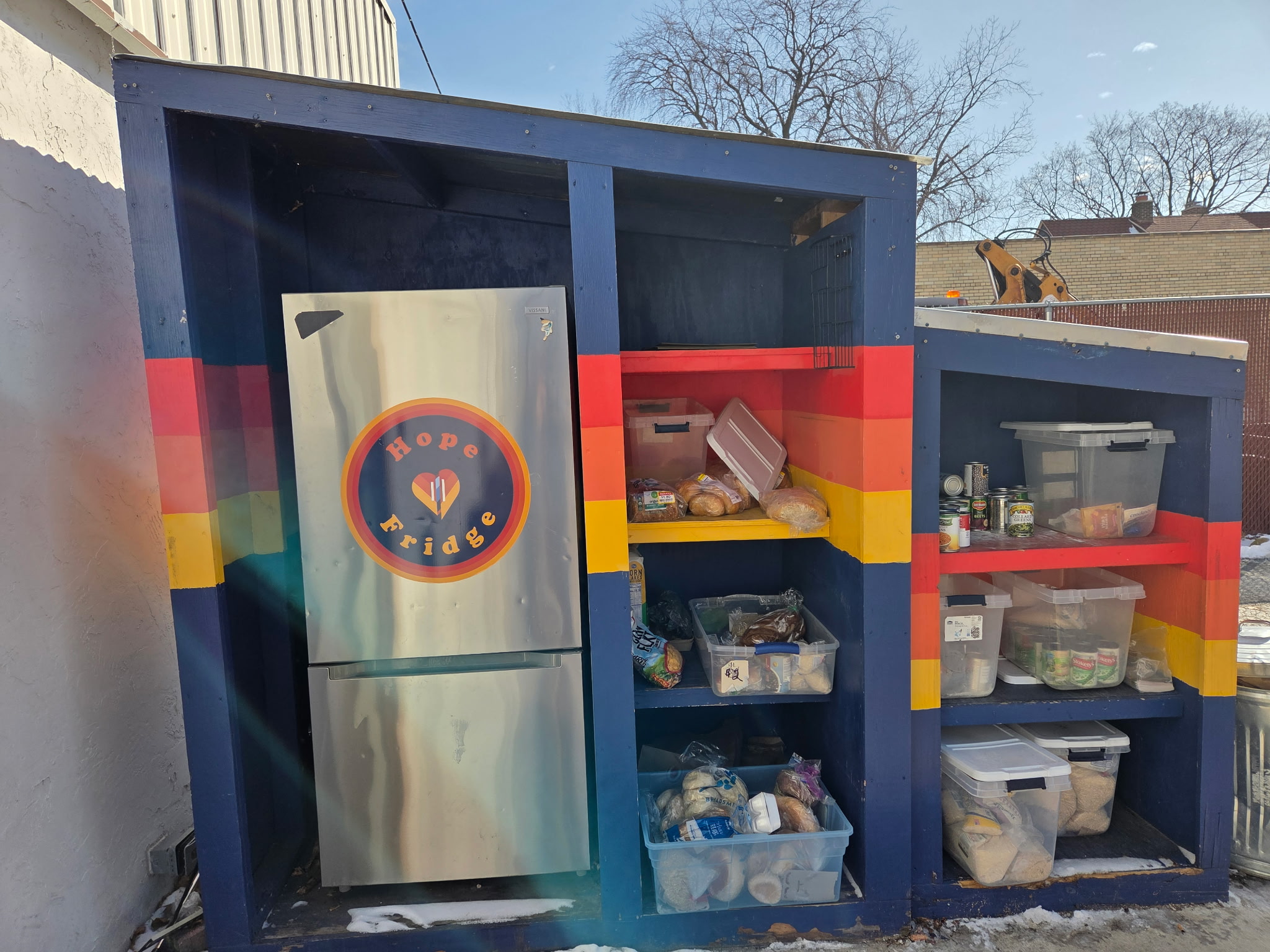
Alongside these grassroots efforts, several organized mutual aid initiatives are also taking shape in our community. The local Hope Fridge initiative, with outdoor community refrigerators in Menasha and Oshkosh and an Appleton location underway, allows anyone to give or receive food without barriers. Open 24 hours a day, the fridges operate on trust and observation, and volunteers learn what people actually need by noticing what disappears first.
Curious about mutual aid or already helping neighbors in your community? Join us for the next gathering on March 19 from 9–11 a.m. at the Community Living Room at Ebb and Flow Connections Cooperative in Appleton.
This informal learning space brings together people who want to share ideas and explore how neighbors across the Fox Valley can support one another.
All are welcome.
To learn more or RSVP, contact Wendy Harris at wendy@newmentalhealthconnection.org
“Handing a bag of groceries to someone feels better than just stocking the shelves,” said one participant, describing the experience of being present when someone came to the Hope Fridge for food.
When SNAP benefits were suspended last fall, Little Free Libraries across the Fox Cities began filling with nonperishable food. One resident shared that before she could even place books in her newly installed library, neighbors had already stocked it with groceries, a spontaneous act of mutual care in response to need.
Area churches have long responded in similar neighbor-to-neighbor ways. The First Presbyterian Church in Neenah, for example, maintains a “blessing box” where community members are invited to drop off food and essentials for others to take as needed.
Other mutual aid efforts that have sprung up include the Oshkosh Free Store, organized by the Oshkosh Vagabond Network. The Free Store operates as a monthly pop-up where clothing, household goods, and personal care items are made available at no cost.
There is also the Oshkosh Tool Library and the Oshkosh Repair Café that extend that same spirit of shared access. Community members can borrow tools, learn repair skills, or participate in mending workshops that help extend the life of everyday items.
Looking Ahead: What Could Be Possible
As our conversation continued, we began considering how we might strengthen the connections between these efforts.
One example surfaced from Madison. The Madison Area Mutual Aid Network, often referred to as the Madison MAN Cooperative, has developed a time bank and mutual aid platform that allows neighbors to exchange hours of service. Participants can offer childcare, transportation, legal guidance, yard work, or other skills, and request support in return. The system is designed to reduce barriers and build reciprocity, recognizing that everyone has something to contribute.
The idea sparked interest in the room. Could something similar take root here in the Fox Valley? What would it take to build the technological infrastructure? How might we ensure safety, accessibility, and equity? Could local universities or community partners help support such an effort? These are questions we will continue exploring in the months ahead.